By Paul McManus, Director & Fitness Facility Manager, Titan Wellness ·
Every conversation we have about an onsite gym starts with the same question: what does this cost. It's the right instinct — nobody should sign off a facility without understanding the number attached to it. But in almost every case, the employer asking is only pricing one side of the ledger.
Building and running a facility has a cost. So does not building one — it just shows up in absence, turnover and disengagement instead of on a facilities invoice. This piece walks through both sides: what actually drives the setup number, what doing nothing is quietly costing you, and how a lease-based model changes which budget line the whole thing sits on.
What actually drives the setup number
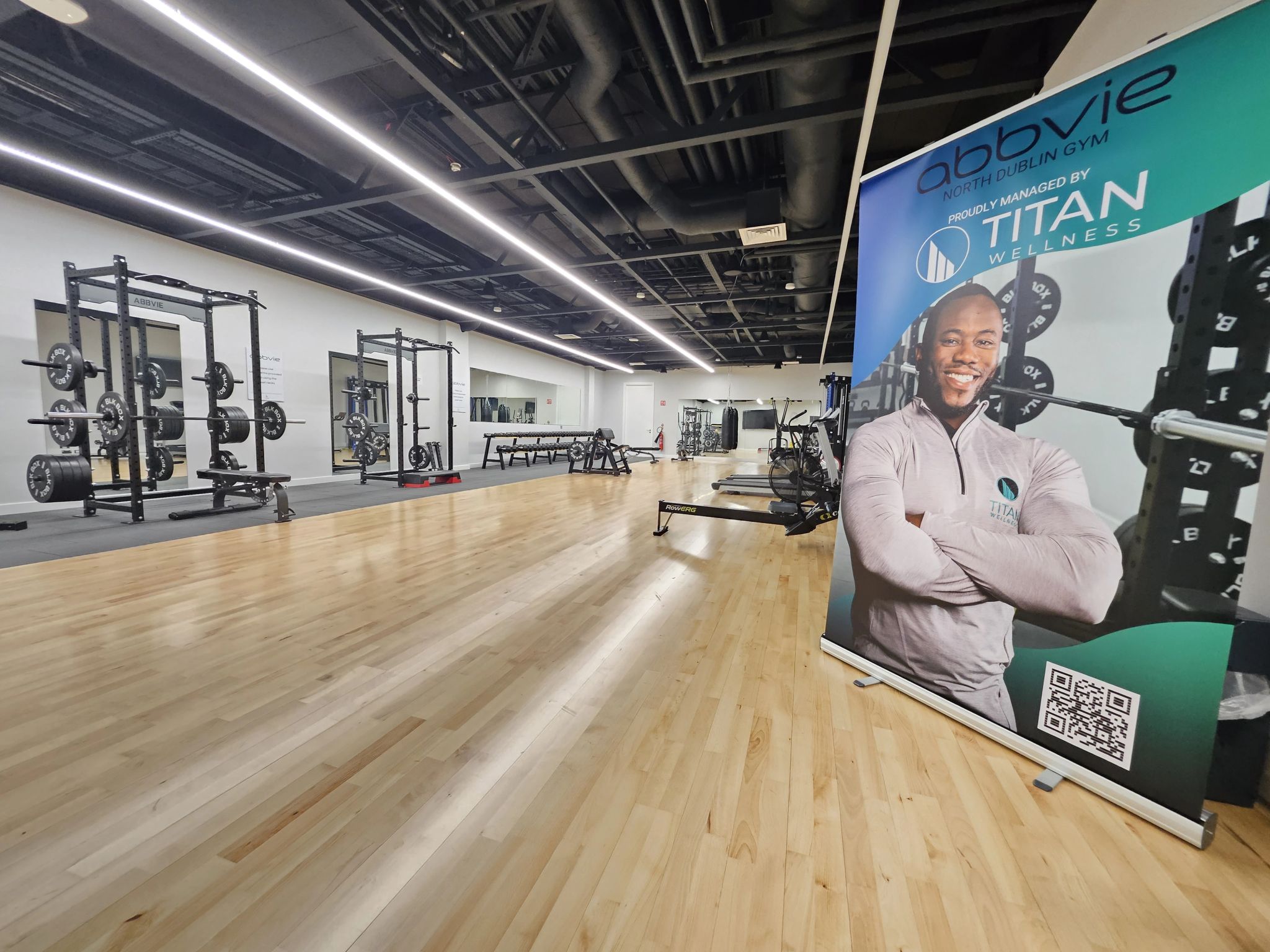
There's no single price for a corporate gym, and any supplier willing to quote one before they've seen your space is guessing. The number moves on a handful of factors: the size of the room and the headcount it needs to serve, the equipment specification you choose — a compact, strength-focused rig room is a very different build to a multi-zone strength-and-cardio facility — whether you're fitting out an empty room from scratch or upgrading a dated one, and whether day-to-day management is bundled in alongside the equipment itself.
That last point matters more than people expect. A gym with classes, instructors and scheduling built in behaves very differently — and costs differently — to a room of equipment with the door left unlocked. Our own Evergreen package works the same way: we don't hand over a headline number until we've assessed the room, the employee numbers and the goals behind the project, because a generic figure would underquote a large facility and overquote a modest one. Neither helps you make a good decision.
What doing nothing is already costing you
This is the side of the ledger most gym conversations skip. CIPD and Simplyhealth's "Health and Wellbeing at Work 2025" survey puts average UK sickness absence at 9.4 days per employee over the last 12 months, up from 7.8 days in 2023 and just 5.8 days before the pandemic. Mental ill health is now the single biggest driver of long-term absence, cited in 41% of cases. That trend line alone should give any employer pause.
Then there's turnover. Oxford Economics research with Unum, published in 2014, estimates the average cost of replacing an employee in the UK at around £30,614, once recruitment, lost productivity and onboarding are accounted for.
None of these costs show up on a facilities budget line. They're scattered across HR, recruitment and payroll instead — which is exactly why they're so easy to under-price against a gym proposal that arrives as one clear, visible number. The absence, the turnover and the disengagement are just as real a cost; they're simply harder to see in one place.
Want to spread the cost of an on-site gym?See how the Evergreen package works
Why leasing turns this into an operating line, not a capital one
Under our Evergreen model, a client doesn't buy equipment and then separately manage its upkeep. They pay one fixed monthly fee, typically over a three-year term, that covers health and safety compliance, breakage and warranty, staff inductions and waivers, and ongoing gym supervision and classes.
This matters for two reasons. First, it turns a lumpy, hard-to-approve capital request into a predictable operating line that finance can actually plan against — no large upfront outlay to justify, no separate maintenance budget to forecast. Second, the facility doesn't quietly degrade the way an owned, unmanaged gym so often does, because servicing, replacement and supervision are already built into what's being paid for every month, rather than left to whoever remembers to raise a purchase order.
The business case, in one line
A corporate gym isn't free, and we won't pretend otherwise — but neither is doing nothing. Priced properly, the question isn't whether you can afford a facility; it's whether you can keep affording the absence and turnover costs of not having one.
Frequently asked questions
What drives the setup cost of a corporate gym?
The cost moves on a handful of factors: the size of the room and the headcount it needs to serve, the equipment specification chosen, whether an empty room is being fitted out from scratch or a dated one is being upgraded, and whether day-to-day management is bundled in alongside the equipment. A gym with classes, instructors and scheduling built in costs differently to a room of equipment with the door left unlocked.
What does employee absence cost UK employers without a workplace gym in place?
CIPD and Simplyhealth's Health and Wellbeing at Work 2025 survey puts average UK sickness absence at 9.4 days per employee over the last 12 months, up from 7.8 days in 2023 and 5.8 days before the pandemic, with mental ill health cited in 41% of long-term absence cases. These costs are scattered across HR, recruitment and payroll rather than appearing on one facilities budget line.
What does staff turnover cost employers according to the figures cited?
Oxford Economics research with Unum, published in 2014, put the average cost of replacing an employee in the UK at around £30,614 once recruitment, lost productivity and onboarding are accounted for. These costs sit across HR, recruitment and payroll budgets rather than appearing as one visible line item alongside a gym proposal.
How does a lease-based gym model change how the cost sits in a company's budget?
Under the Evergreen model, a client pays one fixed monthly fee, typically over a three-year term, covering health and safety compliance, breakage and warranty, staff inductions and waivers, and ongoing gym supervision and classes. This turns a lumpy capital request into a predictable operating line that finance can plan against, with no large upfront outlay or separate maintenance budget to forecast.