Running an Annual Wellbeing Programme: Why It Beats a One-Off Wellbeing Week
A single wellbeing week is a great spark. A year-round programme is what makes it last.
By Niall Ronan, Founder & Director, Titan Wellness ·
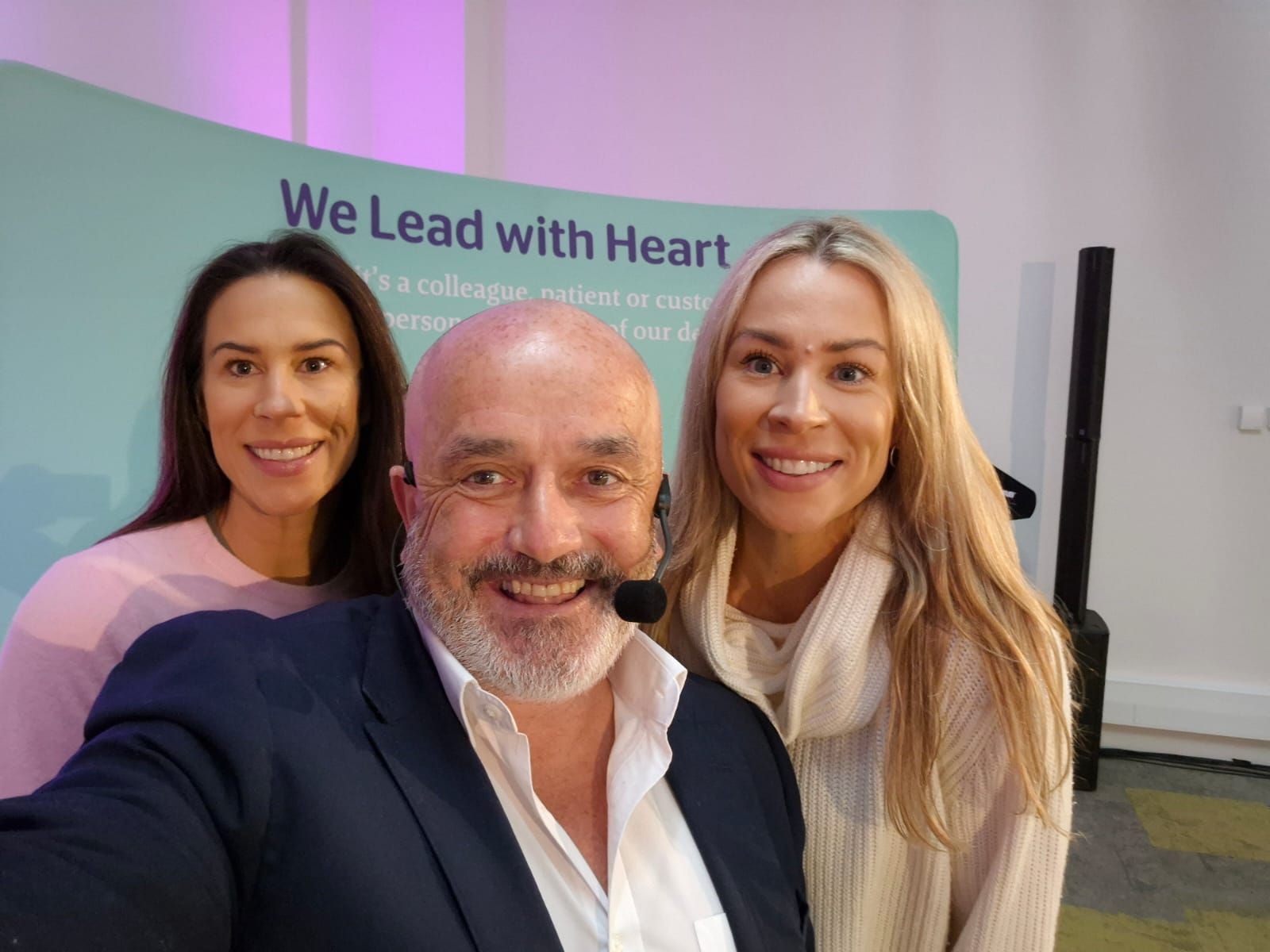
Many employers start their wellbeing journey the same way: a single "wellbeing week", packed with activities, guest speakers and good intentions. It's a great spark — engagement spikes, people show up, the office feels different for five days. Then the week ends, the banners come down, and within a month most of that energy has quietly disappeared.
The real choice for HR and wellbeing leads isn't "do we run a wellbeing week or not" — it's whether wellbeing is a one-off event or a sustained programme. That distinction is where the actual return on investment sits.
What the research says about ad hoc vs. structured wellbeing
Gallup's research on employee wellbeing is blunt about the cost of leaving these issues unaddressed. Disengagement, absenteeism and burnout-driven turnover, left to compound, carry a real and material cost for employers. A week of activity doesn't build a strategy; it's a single data point in a year that otherwise runs on habit.
Wellhub's State of Work-Life Wellness 2026 report, based on a survey of more than 5,000 employees across 10 countries between May and June 2025, puts numbers on that gap. Employees at companies with a structured, ongoing wellbeing programme reported meaningfully higher engagement and retention intent than employees at companies with little or no structured wellbeing activity. Wellhub found roughly 79% of employees at companies with a structured programme reported strong engagement, compared with roughly 55% at companies without one — and roughly 61% reported strong retention intent with a structured programme in place, compared with roughly 40% without. The report doesn't measure ad hoc versus sustained activity specifically, but the pattern is clear: having a structured programme, full stop, is what moves the numbers.
Put together, the two pieces of research tell a consistent story: unaddressed wellbeing is expensive, and structure — not a single event — is what produces engagement and retention gains that hold up.
A hybrid model that actually sustains attention
The way we build annual programmes at Titan Wellness is by pairing live in-person seminars with webinars, spread across the year rather than compressed into a single week. That hybrid structure solves two practical problems that a wellbeing week can't:
First, attendance. If someone misses a live session — they're on leave, in back-to-back meetings, or simply couldn't make the room that day — the webinar option means they haven't lost their only chance to take part that year. Both the webinars and the in-person seminars are recorded, and the recordings are hosted on a portal, so anyone who misses a session can still catch up and access it afterwards in their own time. Second, inclusion. Shift workers and remote staff are routinely left out of single-week, on-site events by default. A programme built around recurring webinars gives them a genuine route in, on the same terms as everyone else.
Spreading sessions across the year also means the organisation is never asking employees to absorb a year's worth of wellbeing content in five days. Instead, the topics arrive when people have the capacity to actually engage with them.
Thinking beyond a one-off wellbeing week?See our year-round wellbeing services
Four themes, timed around the year
Rather than a single flat programme, we structure the year around four recognisable quarterly themes:Connection & Workplace Wellbeing, Healthy Habits & Lifestyle,Physical Health, and Mental Health & Emotional Wellbeing.
Each theme is timed around real awareness moments that already exist in the calendar — Time to Talk Day, Stress Awareness Month, National Women's Health & Fitness Day, World Mental Health Day, and others like them. Employees are already hearing about these moments in the media and elsewhere, so sessions land when people are primed to engage rather than competing for attention against an arbitrary date HR picked for a one-off week.
A real example: Zoetis
Zoetis is a direct example of this model in practice. Titan Wellness built a hybrid programme of webinars and in-person seminars for Zoetis, run across the full year around the four themes above rather than delivered as a single event. The result isn't a wellbeing week that comes and goes — it's an ongoing community of education and connection, where employees encounter wellbeing content repeatedly throughout the year, in whichever format suits how and where they work.
Benefits beyond attendance
The advantages of running a programme this way go well beyond how many people showed up on a given day:
Stronger connection. Recurring sessions across the year give colleagues and teams repeated reasons to engage with each other, building trust that a single week of activity can't replicate.
Sustained behaviour change. Habits formed around health, stress management or physical activity need reinforcement over months, not a single motivational spike that fades within weeks.
A clearer pattern for HR to point to. Instead of one day's headcount from a wellbeing week, HR teams get a full year of engagement data across four themes — a far stronger story for leadership and for any future business case.
Better inclusion. The webinar option means shift and remote staff are part of the programme by design, not an afterthought that a single on-site event structurally excludes.
Where a wellbeing week still fits
None of this means a wellbeing week is a bad idea. It can still be a good first step, or a useful seasonal moment inside a bigger plan. But it works best as one thread inside a year-round programme, rather than standing in as the whole wellbeing strategy. The employers seeing the engagement and retention gains in the research above are the ones who built the structure — not just the spike.
Frequently asked questions
Why does a year-round wellbeing programme last longer than a one-off wellbeing week?
A wellbeing week brings a spike in engagement for five days, but that energy quietly disappears within a month once the banners come down. A sustained programme spreads topics across the year so people have the capacity to actually engage with them, rather than asking employees to absorb a year's worth of wellbeing content in a single week.
What does a year-round wellbeing programme actually involve?
At Titan Wellness the programme pairs live in-person seminars with webinars, spread across the year and organised around four recognisable quarterly themes: Connection and Workplace Wellbeing, Healthy Habits and Lifestyle, Physical Health, and Mental Health and Emotional Wellbeing. Each theme is timed around real awareness moments already in the calendar, such as Time to Talk Day and World Mental Health Day.
How does a hybrid format of webinars and in-person seminars help attendance and inclusion?
If someone misses a live session because they are on leave or in back-to-back meetings, the webinar option means they have not lost their only chance to take part that year, and both formats are recorded and hosted on a portal for catching up later. The hybrid structure also gives shift workers and remote staff a genuine route in, on the same terms as everyone else, rather than being left out of a single-week, on-site event.
What did Wellhub's State of Work-Life Wellness 2026 survey find about structured wellbeing programmes?
Wellhub's report was based on a survey of more than 5,000 employees across 10 countries between May and June 2025. It found that employees at companies with a structured, ongoing wellbeing programme reported meaningfully higher engagement and retention intent than employees at companies with little or no structured wellbeing activity.
Ready to build a year-round wellbeing programme?
Get in touch with our team at sales@titanwellness.ie to book a consultation or request a proposal.