What Gen Z Actually Wants From Workplace Wellbeing
Beyond generic mental-health perks: the daily habits younger employees expect an employer's wellbeing offering to actually support.
By the Titan Wellness Research Team ·
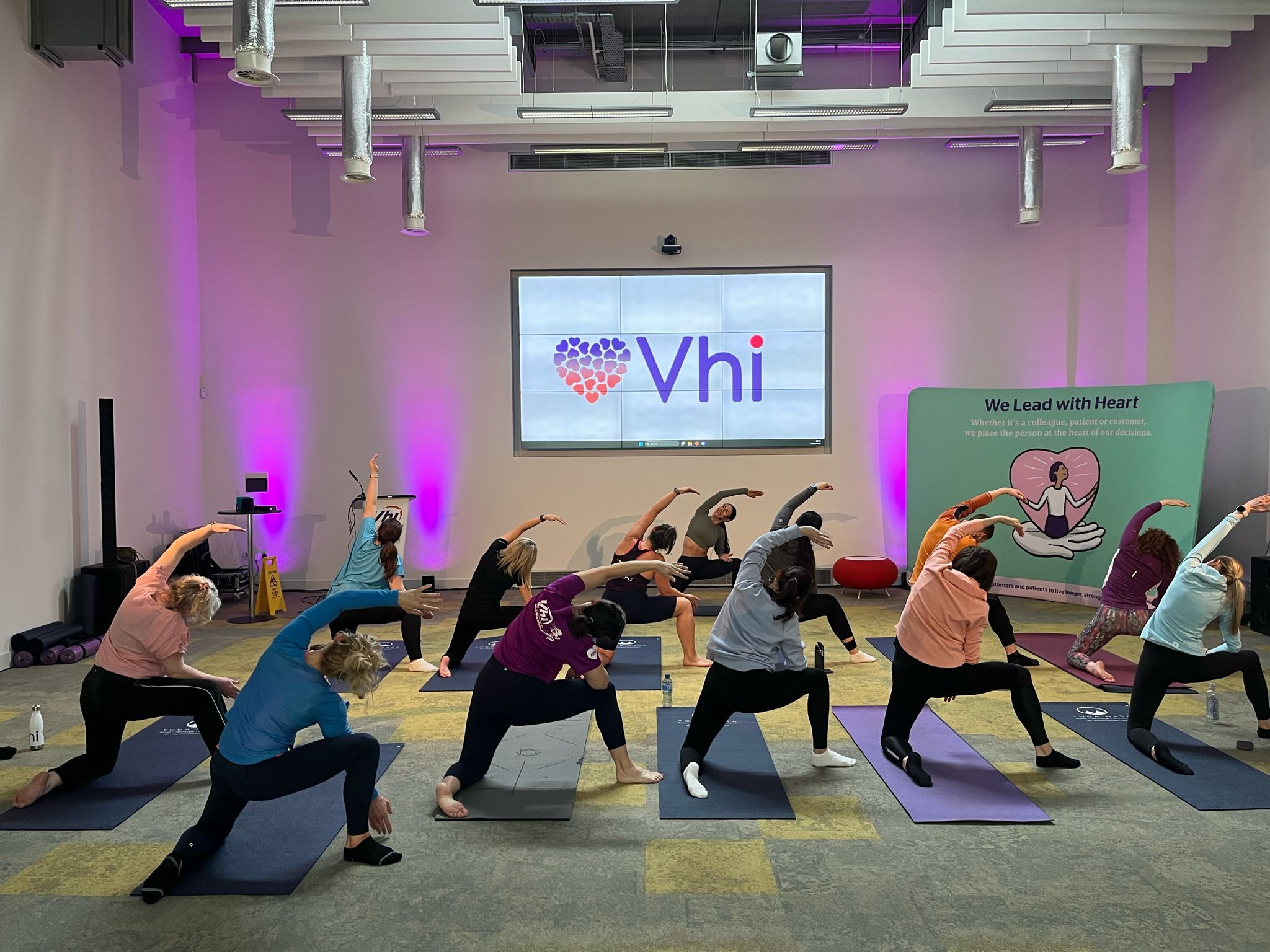
Gen Z is now one of the fastest-growing shares of the workforce, and their idea of "wellbeing" doesn't look like previous generations'. It's rarely about a single headline perk. It's a set of daily habits and values — how they move, what they eat, what they know, how they recover, and how much they drink — and they expect an employer's wellbeing offering to actually support those habits, not just gesture at them once a year.
Exercise isn't optional, it's identity
The Gym Group's 2025 Gen Z Fitness Pulse Report shows this isn't a passing trend. 73% of Gen Z now exercise at least twice a week, up from 62% in 2024, and 87% say exercise improves their mental health. Tellingly, 55% rank it among their top three reasons for exercising at all — up from 46% the year before — and 82% say it boosts their energy and focus at work. For an employer, that last figure is the one that matters most: exercise isn't competing with productivity, it's driving it.
There's a social dimension too. 51% of Gen Z respondents said they'd formed friendships through the gym, which is a reminder that fitness provision at work isn't just a physical health lever — it's a connection and retention one as well.
Nutrition, but make it functional
Gen Z's approach to food is practical rather than restrictive. SPINS retail data reported via FoodNavigator (52 weeks to July 2025) shows over half of Gen Z and millennials now follow a high-protein diet, and fibre-focused foods are one of the fastest-growing categories in the sector — fibre-forward shelf-stable pasta alone grew 59.4% year-over-year. At the same time, nearly 90% of this group actively avoid certain ingredients, with added sugar topping the list.
The takeaway for employers isn't to hand out another diet plan. It's that Gen Z wants functional, usable nutrition guidance — what to eat more of, what to watch, and why — not a list of rules to follow.
They research before they trust
McKinsey's research on the future of wellness identifies a consumer segment it calls "maximalist optimisers" — disproportionately younger, they make up around 25% of wellness consumers but over 40% of spending. This group actively seeks out science-backed solutions and does its own research before acting on health advice, and it wants to learn skills it can keep using, not simply be handed a benefit to consume passively.
Planning wellbeing for your teams? Explore our corporate wellbeing services
For employers, the implication is clear: Gen Z wants real information and education behind a wellbeing offering, delivered in a way they can act on — not a poster on a break-room wall or a single one-off talk that's forgotten by the following week.
Recovery matters as much as effort
McKinsey's wellness research also found that both Gen Z and millennials rank sleep among their top two wellness priorities. That puts recovery on an equal footing with activity itself. This generation treats wellness as a daily, personalised practice rather than an occasional activity slotted in around work — which means recovery needs to be built into a programme's thinking from the start, not added on as an afterthought.
Moving away from alcohol
Circana's "Sober Curious Nation" survey, commissioned by NCS in December 2024 among 1,131 US adults aged 21 and over, found 65% of Gen Z planned to drink less in 2025, and 39% planned a fully "dry" year. 19% don't drink at all. Most strikingly, 58% cited improving their mental health as the reason for cutting back — a 45% increase year-over-year. Moderation, for this group, is itself a wellbeing tool, not a lifestyle restriction.
Why they lean on these tools so heavily
Context matters here. Deloitte's 2025 Gen Z and Millennial Survey, which gathered 23,482 responses across 44 countries between October and December 2024, found only 52% of Gen Z rate their mental wellbeing as good or very good, and 40% feel stressed or anxious most of the time. Set against that, it's not surprising this generation leans so heavily on exercise, nutrition, recovery and moderation as self-directed tools they can control day to day. They expect an employer's wellbeing programme to support those tools directly — not to substitute them with a helpline number and little else.
What this means for employers
This is exactly where our programming at Titan Wellness is built to meet a Gen Z workforce where they already are. Onsite gyms and fitness facilities make daily exercise genuinely convenient rather than something squeezed in before or after a commute. Our nutrition education goes beyond posters — it's practical, functional guidance people can actually use, from realistic fibre and protein targets to straightforward advice on ingredients to watch. And we treat recovery and moderation as core parts of a wellbeing offering, not an afterthought bolted onto a fitness programme.
A single wellbeing week won't land with this group. What does is sustained, practical support, built into an annual programme rather than a one-off event — the kind of ongoing offering Gen Z employees are already looking for in how they live day to day.
If you want to build a wellbeing offering that's genuinely relevant to a Gen Z workforce, get in touch to book a consultation.
Frequently asked questions
What do Gen Z employees expect from workplace wellbeing?
Gen Z wellbeing expectations are built around daily habits rather than a single perk: how they move, what they eat, what they know, how they recover, and how much they drink. They expect an employer's wellbeing offering to actually support those habits day to day, not gesture at them once a year with a one-off event.
What kind of nutrition guidance does Gen Z want from employers?
Gen Z's approach to food is practical rather than restrictive, so the guidance employers should offer is functional and usable: what to eat more of, what to watch, and why, rather than another diet plan or a list of rules to follow. This makes nutrition support something people can act on daily.
Why does Gen Z want ongoing education rather than a one-off wellbeing perk?
Gen Z wants real information and education behind a wellbeing offering, delivered in a way they can act on and skills they can keep using, rather than simply being handed a benefit to consume passively. A poster on a break-room wall or a single talk forgotten the following week does not meet that expectation.
What does the Sober Curious Nation survey say about Gen Z and alcohol?
Circana's Sober Curious Nation survey, commissioned by NCS in December 2024 among 1,131 US adults aged 21 and over, found 65% of Gen Z planned to drink less in 2025, 39% planned a fully dry year, and 19% don't drink at all. 58% cited improving their mental health as the reason for cutting back, a 45% increase year-over-year.
Ready to build a wellbeing offering that fits your Gen Z workforce?
Get in touch with our team at sales@titanwellness.ie to book a consultation or request a proposal.