Longevity at Work: Simple Daily Habits for a Longer, Healthier Life
Living longer and better doesn't come from one big change — it comes from a handful of small habits, repeated most weeks.
By Niall Ronan, Founder & Director, Titan Wellness ·
Living longer and better does not come from one big change. It comes from a handful of small habits, repeated most weeks: moving regularly (with some strength work), eating for energy, sleeping enough, managing stress and recovering well. Here is what the research says and how to start.
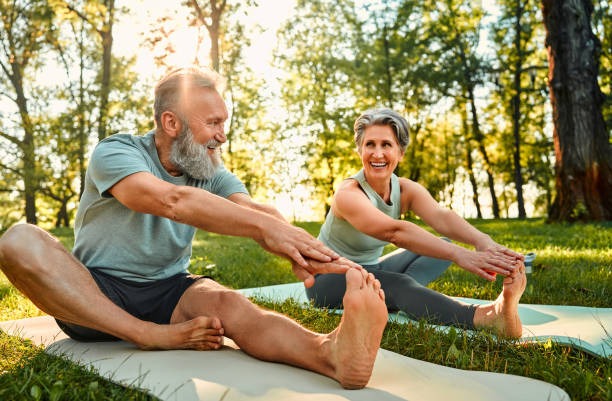
1. Move: the foundation
Physical activity is the habit with the strongest evidence behind it. Harvard Health reports that:
- Doing exercise-based rehabilitation after a heart attack can cut the likelihood of dying from heart disease by about one-third (Harvard Health, 2013).
- Just two and a half hours of brisk walking a week was linked to a 30% lower risk of type 2 diabetes (same source).
- In a large 2026 analysis of 147,374 adults followed for up to 30 years, people doing 90 to 119 minutes of strength training a week had a 13% lower risk of death from any cause, 19% lower cardiovascular mortality and 27% lower risk of dying from neurological diseases such as dementia, compared with those who did none (Harvard Health, July 2026).
- The same study found that combining strength training with regular aerobic activity was associated with up to a 45% lower risk of death.
These are associations from observational studies, so they show a link rather than proof of cause, but the direction is consistent.
A simple weekly mix, from Niall's longevity talks:
- Strength: two whole-body sessions a week of around 30 minutes, using bodyweight, gym equipment, yoga or Pilates.
- Cardio: walking, cycling, running or swimming; start small and add a little each week.
- Mobility: five minutes of stretching every day to protect posture and joints.
2. Fuel: eat for energy, not just taste
Food and hydration are about consistency, not perfection. The habits that tend to work are planning meals for the week, swapping rather than skipping (a healthier choice in place of an old one), and building plates around vegetables, lean protein, wholegrains and good fats such as oily fish, avocado and olive oil. Water supports energy, concentration and mood.
3. Sleep: the quiet foundation of longevity
A joint statement from the American Academy of Sleep Medicine and the Sleep Research Society says adults should aim for at least seven hours a night (Harvard Health). Harvard Health also reports that sleeping just five to six hours a day doubles the risk of prediabetes and type 2 diabetes compared with seven to eight hours (Harvard Health, July 2025).
Quick wins: the same bedtime and wake time, a cool dark room, screens off 30 minutes before bed and caffeine before midday.
4. Mind: give your mental wellbeing the same attention as your body
Stress, mindset and connection with other people all shape how well we age. Small practices help: a regular check-in with yourself, time with friends, walking with a colleague, and noticing fixed thoughts ("I'm not a gym person") and turning them into growth thoughts ("I can build this up"). If you are struggling, speak to your GP or an organisation such as Samaritans on 116 123.
5. Recovery: breathwork, sauna and cold water
Breathwork, sauna and cold water are popular recovery habits, and they work best as extras on top of the basics above, not replacements for them.
- Breathwork and meditation: simple, free and easy to start anywhere. A few minutes can help you feel calmer.
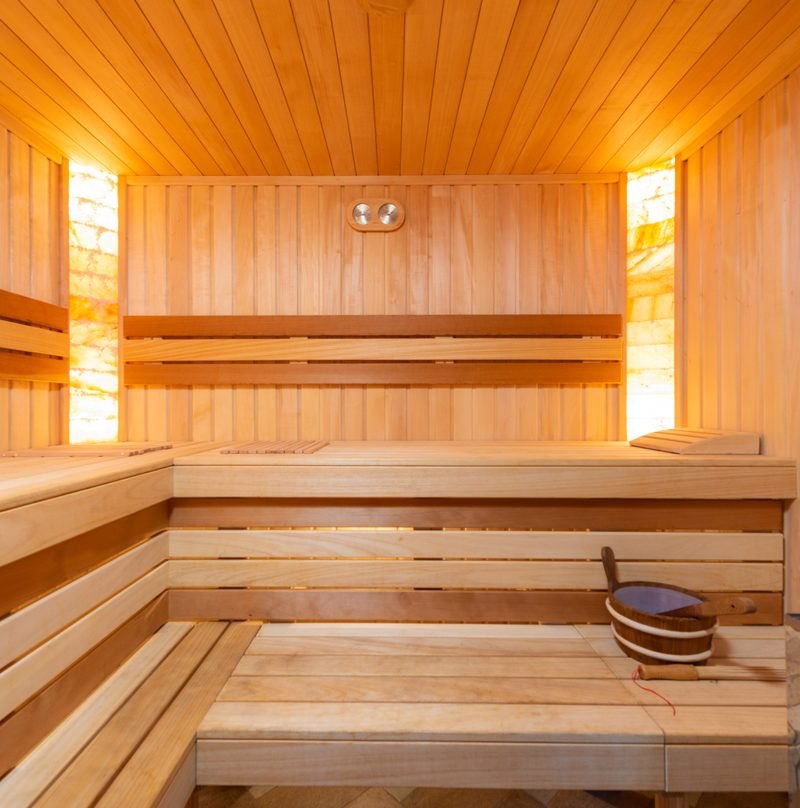
- Sauna: a Finnish study of 2,300 middle-aged men found that those who used a sauna more often had lower death rates, but it is an association rather than proof, and it applies to traditional Finnish saunas (Harvard Health, 2015). Check with your doctor first if you have a heart condition.
- Cold water: many people find it energising, but the evidence is less settled than for movement and sleep. Start gently and get medical advice if you have heart or blood-pressure problems.
Your plan: ten areas to score yourself on
Score yourself from 1 to 5 on each: movement, sleep, social connection, mindfulness, cold water, sauna, recovery, sunlight, being open to learn and communication. Your lowest score is where one small step will help most, for example a 10-minute walk at lunch, lights out 30 minutes earlier, or two glasses of water before noon.
A balanced week can be simple: a morning yoga or gym session, a 30-minute lunchtime walk, a sauna after work, a healthy dinner and an early night. Work fills the gaps, and a takeaway or a Netflix night is part of the plan.
To start, write down one goal for the next 90 days that is specific, small enough to start this week and something you enjoy.
Titan Wellness delivers longevity and wellbeing talks, fitness classes and workplace gyms for corporate clients. See ourkeynote speakersandhealth & wellbeing services, or get in touch to book a longevity session for your team.
Frequently asked questions
What is the single best habit for living longer?
There is no single habit, but regular physical activity has some of the strongest evidence. Harvard Health reports links between exercise and lower risk of heart disease, type 2 diabetes and early death.
How much strength training do I need?
A 2026 Harvard-reported analysis linked 90 to 119 minutes a week with a 13% lower risk of death from any cause compared with none. Two whole-body sessions a week is a practical place to start, then build up.
How much sleep do adults need?
Adults should aim for at least seven hours a night, according to the American Academy of Sleep Medicine and the Sleep Research Society.
Are sauna and cold water worth trying?
They can be enjoyable and may help you relax and recover, but they are extras. The evidence for sauna is observational, and cold-water evidence is less settled. Speak to your doctor first if you have a heart or blood-pressure condition.
How do I get started?
Pick one small step this week: schedule exercise like a meeting, choose activity you enjoy, make it social, and add recovery and rest days.
This article is general information, not medical advice. Speak to your GP before starting a new exercise programme.
Sources:Harvard Health (2013),Harvard Health (July 2026),Harvard Health (sleep numbers),Harvard Health (July 2025), andHarvard Health (2015).
Book a longevity talk for your team
Get in touch with our team at sales@titanwellness.ie to book a longevity talk or wellbeing session.