Why "Human Sustainability" Is Replacing the One-Off Wellness Perk
Why strength training matters for long-term health, why employees now expect real gym access as standard, and what employers gain from sustained infrastructure over one-off perks.
By Antoine Morgan, Fitness Facility Manager, Titan Wellness ·
For years, employers have responded to "wellbeing" by bolting on one-off perks: a step challenge here, a lunchtime fitness class there, a wellness week once a year. Employees have started to see through it. The shift now underway isn't towards more of these isolated gestures — it's towards sustained infrastructure that supports long-term health as a matter of course, not a once-off event on the calendar.
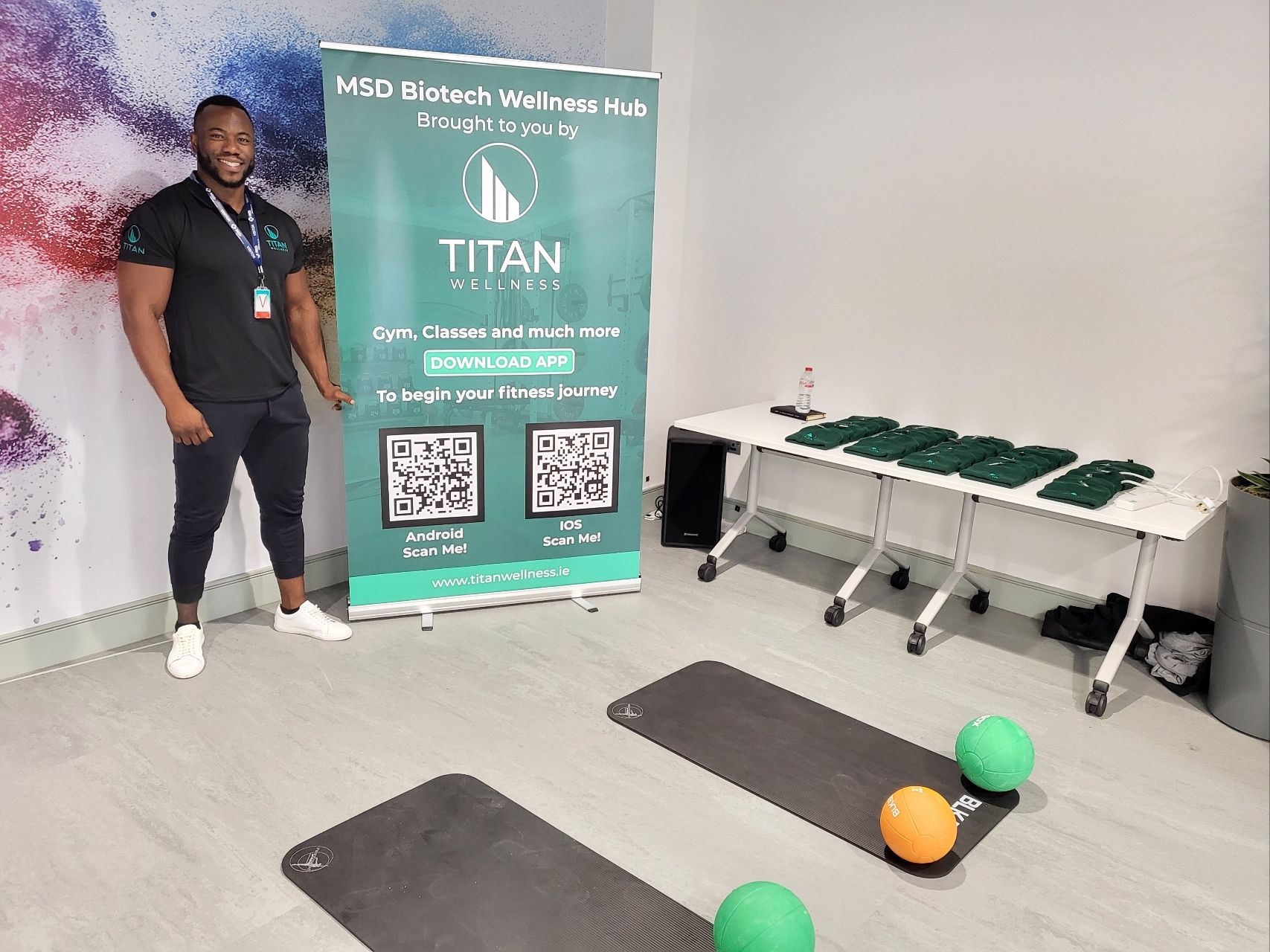
Why strength training specifically matters for longevity
A Harvard-led study published in June 2026 in the British Journal of Sports Medicine, which tracked 147,374 adults for up to 30 years, found that resistance training alone — done for 90 to 119 minutes a week — was linked to a 13% lower risk of all-cause mortality, a 19% lower risk of cardiovascular death, and a 27% lower risk of death from neurological disease, including dementia. Combining resistance training with aerobic exercise was linked to up to a 45% lower mortality risk compared with minimal aerobic activity and no resistance work at all.
This is external research, not a Titan Wellness claim, but it's a striking data point for any employer thinking about the physical health of their workforce over the long term. Cardio-only provision — a treadmill and a few bikes — misses the intervention with the strongest link to reduced mortality risk from the leading causes of death. Strength training isn't a nice-to-have addition to a wellness programme; on this evidence, it's the part that matters most.
The demand employers are now seeing
Employee expectations are shifting in step with this evidence. Wellhub's 2026 workplace wellness datashows that 74% of employees now visit wellness or recreation spaces weekly, with one in five visiting daily. Around 40% cite exercise as their primary reason for visiting, and 78% engage in physical activity on a weekly basis. Yet only 29% currently rate their employer's wellness offering as good — a clear signal of dissatisfaction with fragmented, one-off approaches that don't match how often people actually want to train.
Again, this is external research rather than a Titan Wellness statistic, but it points to a widening gap: employees are showing up, showing intent, and training regularly when the opportunity exists — employers' offerings simply haven't kept pace. On-site gym access is moving from a nice-to-have differentiator to something closer to a baseline expectation.
Want a strength area on site? See our corporate gym design and install
What this looks like in a real in-office gym
Meeting that expectation properly means more than a corner of cardio machines. Our own turnkey fit-out process, as set out on our corporate gym set-up page, is built around proper strength equipment — rigs, barbells and plate storage — alongside cardio, not instead of it. That's paired with staff inductions and safe systems of work so employees can train confidently and safely from day one, optional instructor-led classes for those who want structure and motivation, and ongoing usage reporting so the impact of the facility can be tracked over time rather than assumed.
That reporting matters as much as the equipment itself. A gym that's used twice a week by a fraction of the workforce is a very different investment to one that's genuinely embedded in daily working life — and employers can only tell the difference if usage is actually measured.
What this means for employers
Investing in sustained strength-training infrastructure, rather than one-off perks, is what "human sustainability" looks like in practice: treating employee physical capability as a long-term asset to be maintained, not a short-term morale boost to be refreshed every quarter. The research above ties that investment directly to reduced mortality risk and to what employees actually want from their working environment day to day.
For employers, the payoff isn't only ethical, it's commercial. Facilities that are used consistently support retention and engagement in ways a one-off wellness week never can, and with proper usage reporting in place, that impact becomes measurable rather than anecdotal — a genuine, trackable return on the investment rather than a line item that's hard to justify at renewal time.
This is precisely why our Evergreen lease model exists: it's the low-capex route to building this kind of sustained facility, without the upfront cost or risk of a traditional capital project. It turns strength training infrastructure from a one-off spend into an ongoing, manageable part of how a business supports its people — which is exactly the shift employees are now asking for.
Frequently asked questions
Why does strength training specifically matter for longevity at work?
A Harvard-led study published in the British Journal of Sports Medicine tracked 147,374 adults for up to 30 years and found that resistance training alone, done for 90 to 119 minutes a week, was linked to a 13% lower risk of all-cause mortality, a 19% lower risk of cardiovascular death, and a 27% lower risk of death from neurological disease, including dementia.
Does combining resistance training with aerobic exercise make a difference?
Yes, the same Harvard-led study in the British Journal of Sports Medicine found that combining resistance training with aerobic exercise was linked to up to a 45% lower mortality risk compared with minimal aerobic activity and no resistance work at all.
Why are employers moving away from one-off wellness perks?
One-off perks such as a step challenge, a lunchtime fitness class or a wellness week are something employees have started to see through. Sustained strength-training infrastructure is instead treated as a long-term asset to be maintained, not a short-term morale boost refreshed every quarter.
How often do employees use workplace wellness or recreation spaces?
Wellhub's 2026 workplace wellness data shows that 74% of employees visit wellness or recreation spaces weekly. Around 40% cite exercise as their primary reason for visiting, and 78% engage in physical activity on a weekly basis, yet only 29% currently rate their employer's wellness offering as good.
Ready to build sustained strength training infrastructure into your workplace?
Get in touch with our team at sales@titanwellness.ie to book a consultation.